
Rising together – The construction of Lowton Community Hub
The loss cut deep. For the small team who had poured their hearts into every repair, every repurposed material, every late-night session, it felt like the dream was slipping away. Hope dimmed. The community felt it too—the quiet absence of the laughter, the classes, the connections that had started to flourish again. Questions loomed: Was this the end? Had all the hard work been for nothing?
But in the quiet of that uncertainty, resolve refused to fade. Rather than accept defeat, the group made one final, audacious push—a hail Mary attempt to secure the support needed to rebuild properly, not just patch.
They turned to Sport England, submitting an application that laid bare the project’s potential: a vision not merely to restore a building, but to create a sustainable, multi-purpose hub that could truly serve Lowton for generations. The response was encouraging. Sport England saw the heart of the project—the community’s determination, the innovative spirit already on display, and the real need for a space that could combat isolation, promote health, and foster belonging. Their interest was genuine; they recognised this wasn’t just about bricks and mortar, but about reigniting community life in a place that had lost so much.
To ensure the vision was viable and the organisation capable of delivering it, Sport England provided crucial backing through their Community Investment Fund. This initial support—£30,000—enabled the team to work with professional architects and consultants. Together, they refined ambitious drawings, developed robust business plans, and conducted thorough due diligence. Every aspect was scrutinised: financial sustainability, long-term management, community impact. The process was rigorous, but it built confidence and clarity. What emerged was a stronger, more achievable blueprint—one that could weather future challenges.
That momentum proved transformative. With credible, professional plans in hand, the project attracted major funding: £150,000 from Sport England’s Community Investment Fund. Wigan Council matched it pound for pound with another £150,000 (drawn from Section 106 developer contributions), bringing the total investment to a level that could finally deliver the full remodelling. The stage was set.
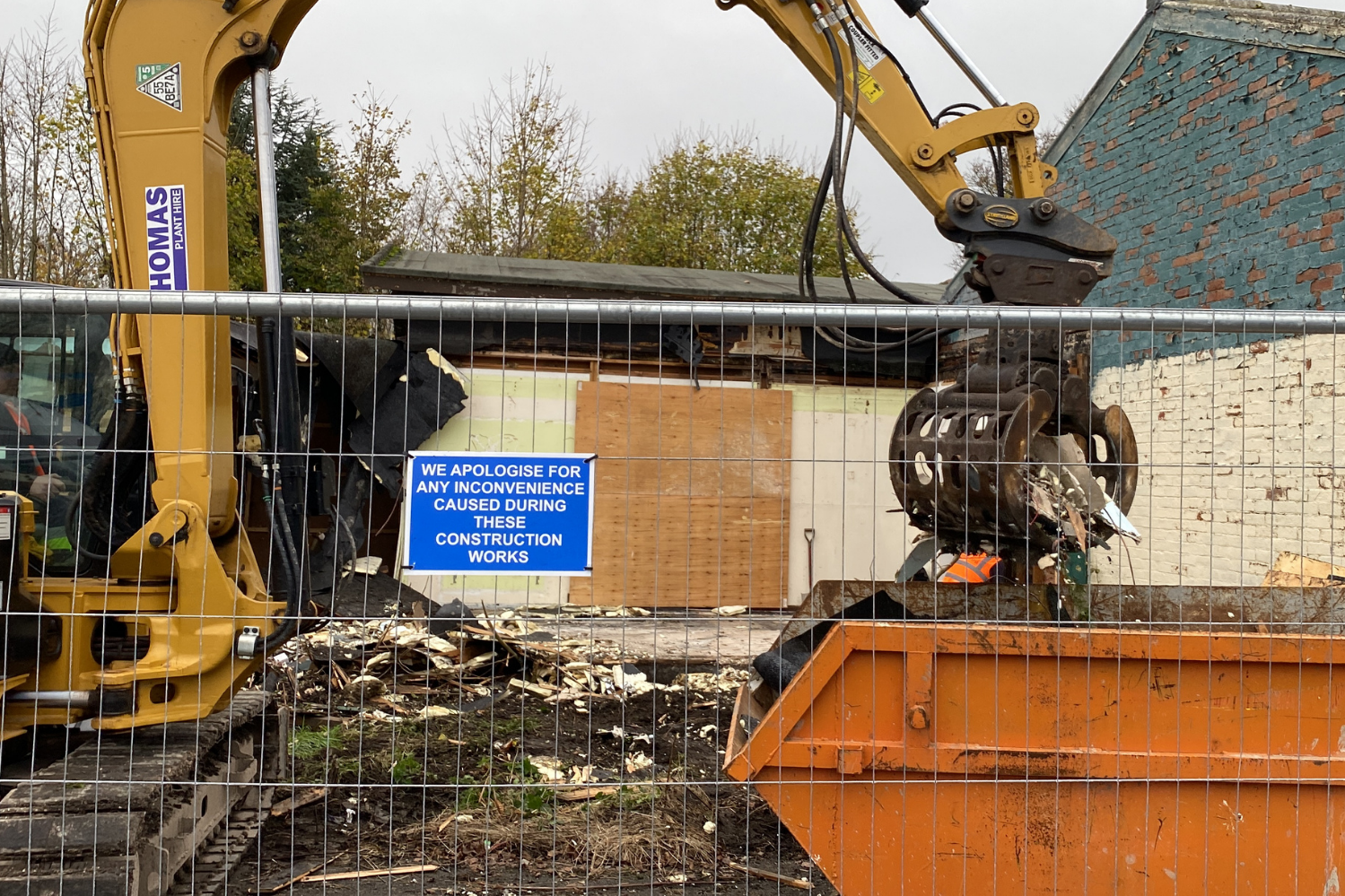
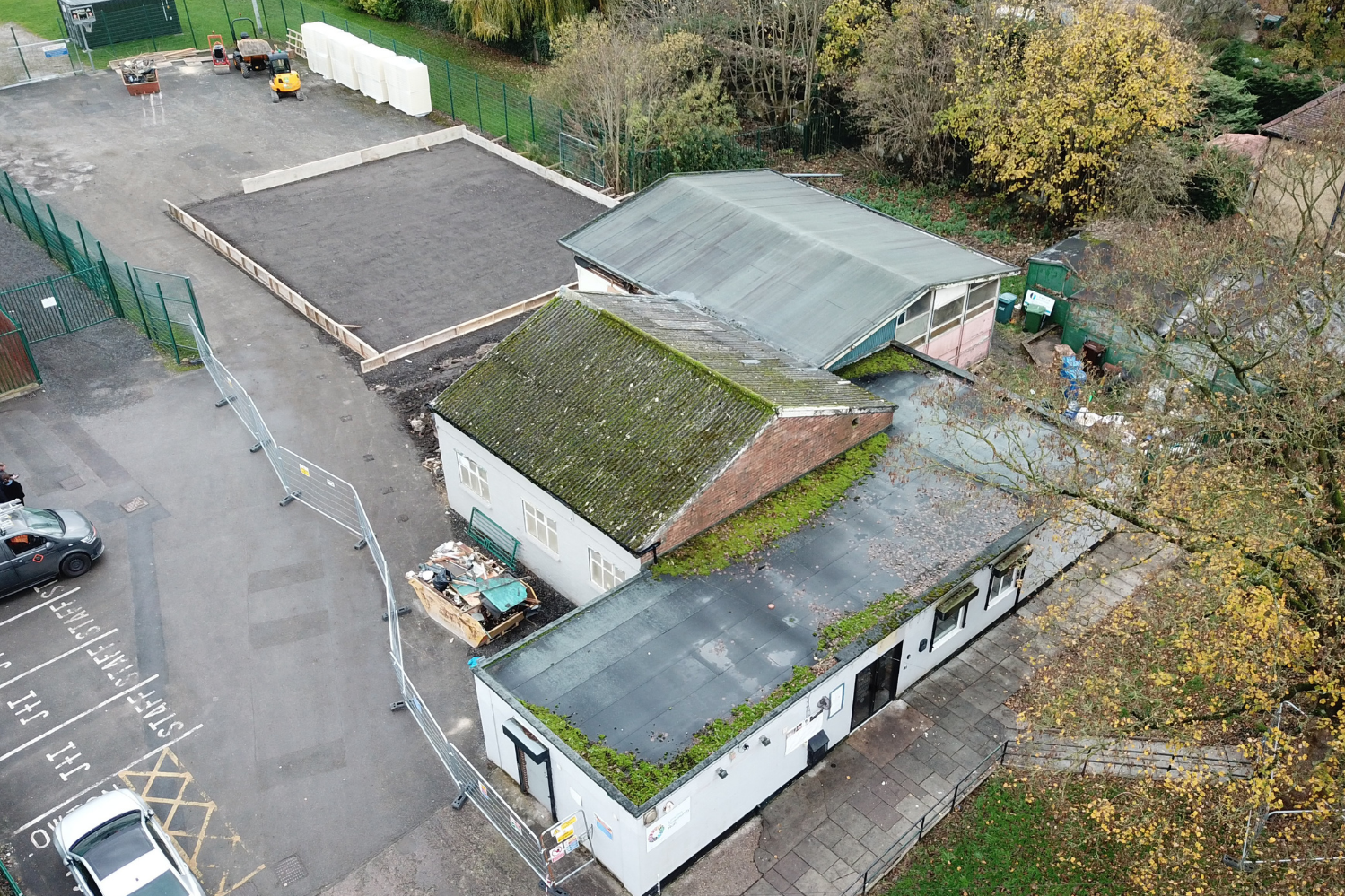
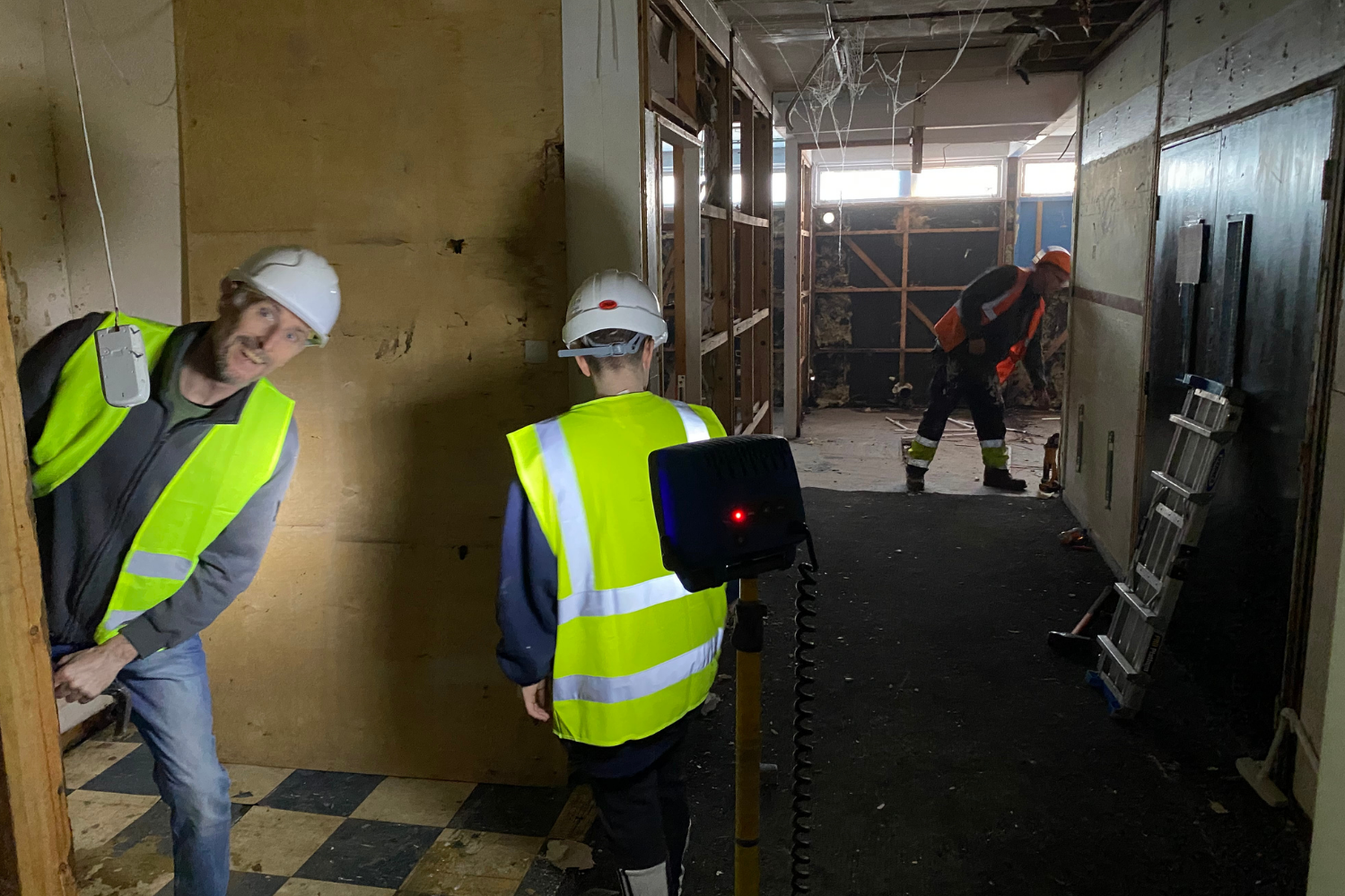
With funding secured and plans solidified, the construction phase began in earnest on a chilly November weekend. The first spade struck the ground, signalling the start of demolition. The old, dilapidated youth club—symbol of decades of neglect—had to go. The operation was delicate: years of decay had left the structure compromised, asbestos demanded careful removal, and the tight urban site added complexity. Excavation revealed unexpected hurdles—a 40-year-old steel-reinforced ring beam and a large pocket of soft clay—but the team, led by Kris Neale, worked methodically. Concrete was broken up, voids filled, and the site prepared for rebirth.
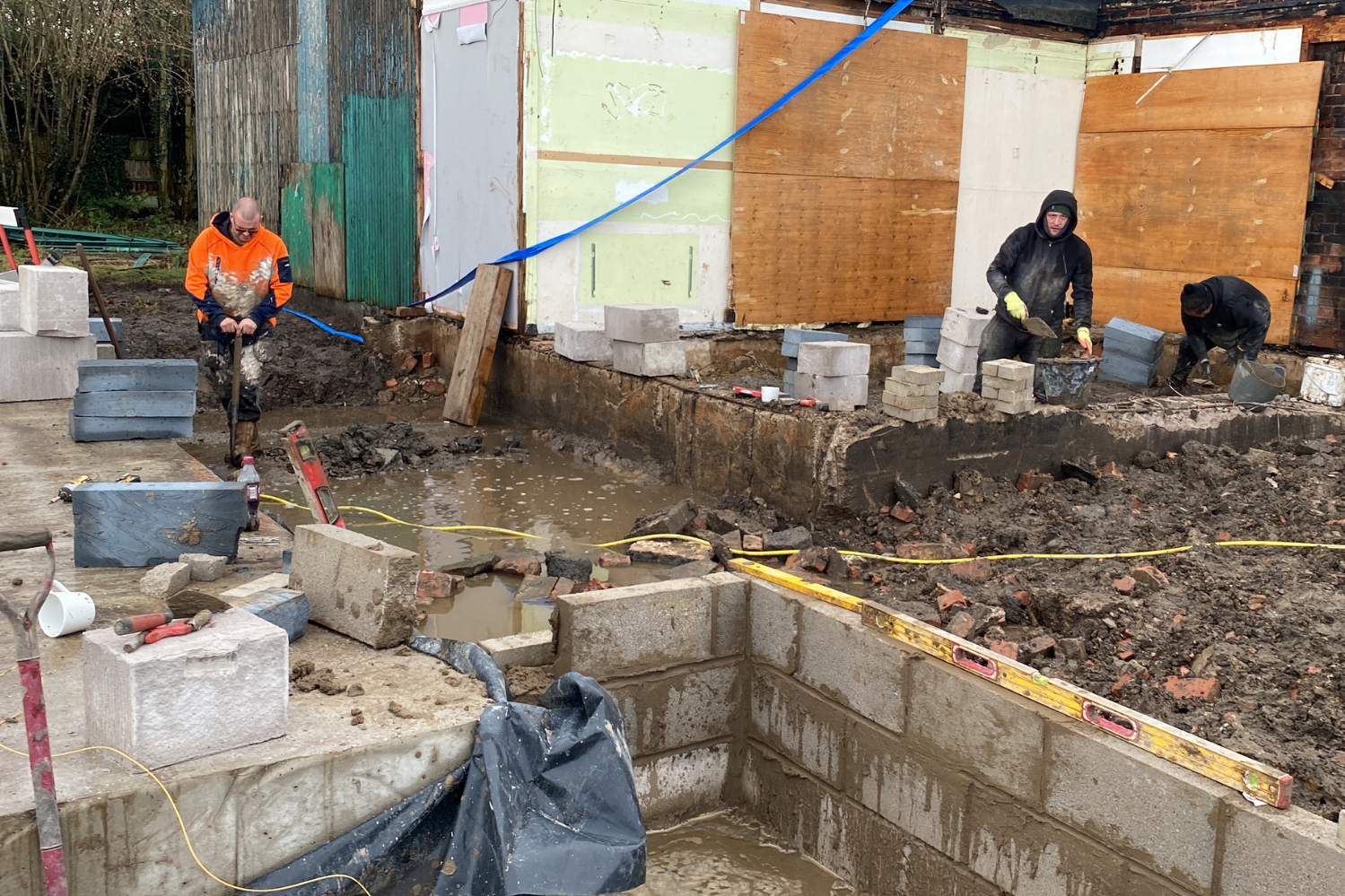
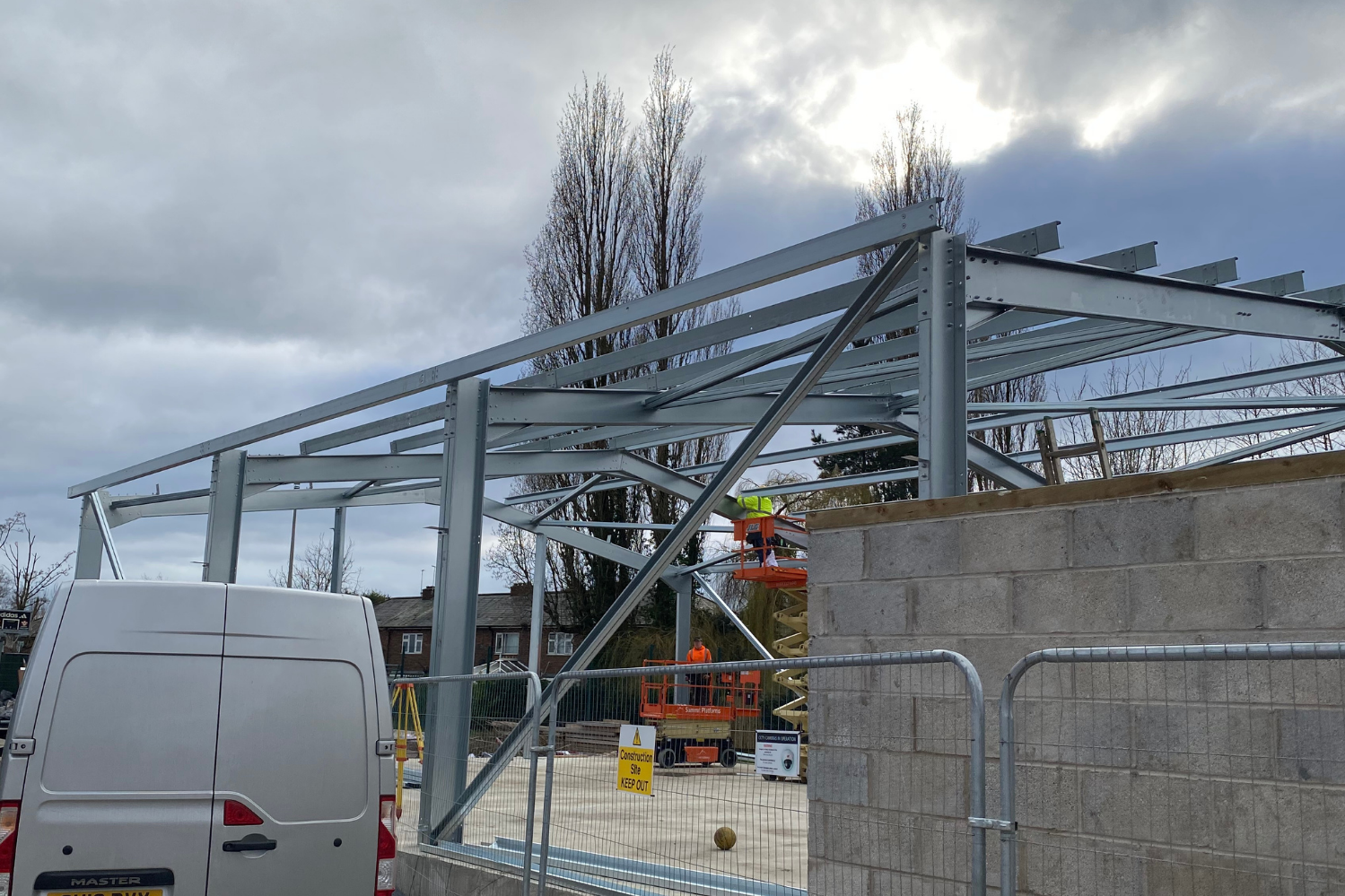
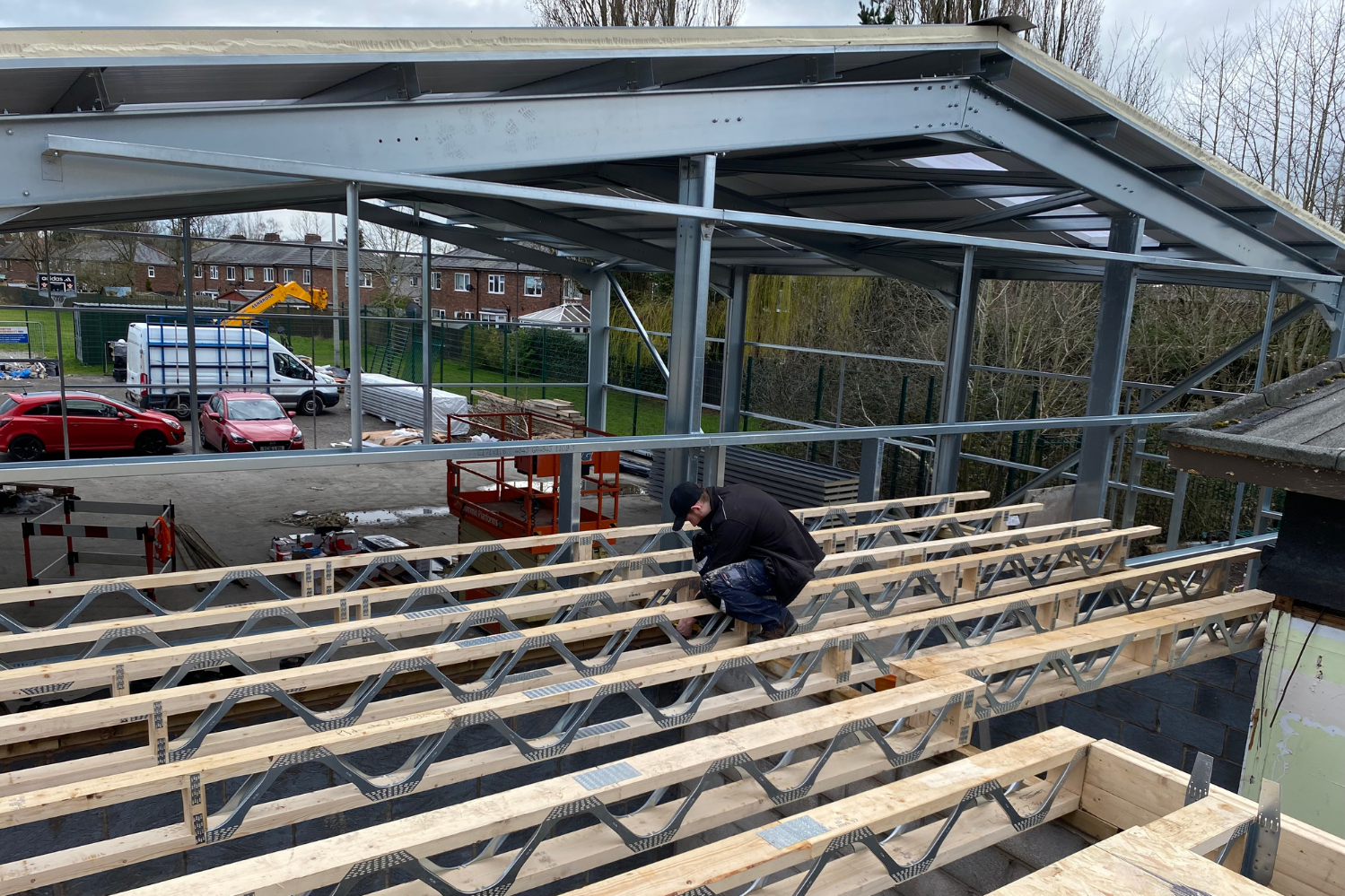
Once conditions allowed, Midbrook Buildings arrived on site. Their expertise shone through as they excavated over 100 tonnes of material and poured a massive 230m³ of reinforced concrete for the new dojo slab in just two intense weeks. Foundations set, blockwork rose swiftly alongside the arrival of steel. Bricklayers laboured into the dying light to shape changing rooms, while the Midbrook steel framework climbed skyward, giving the new dojo its form.
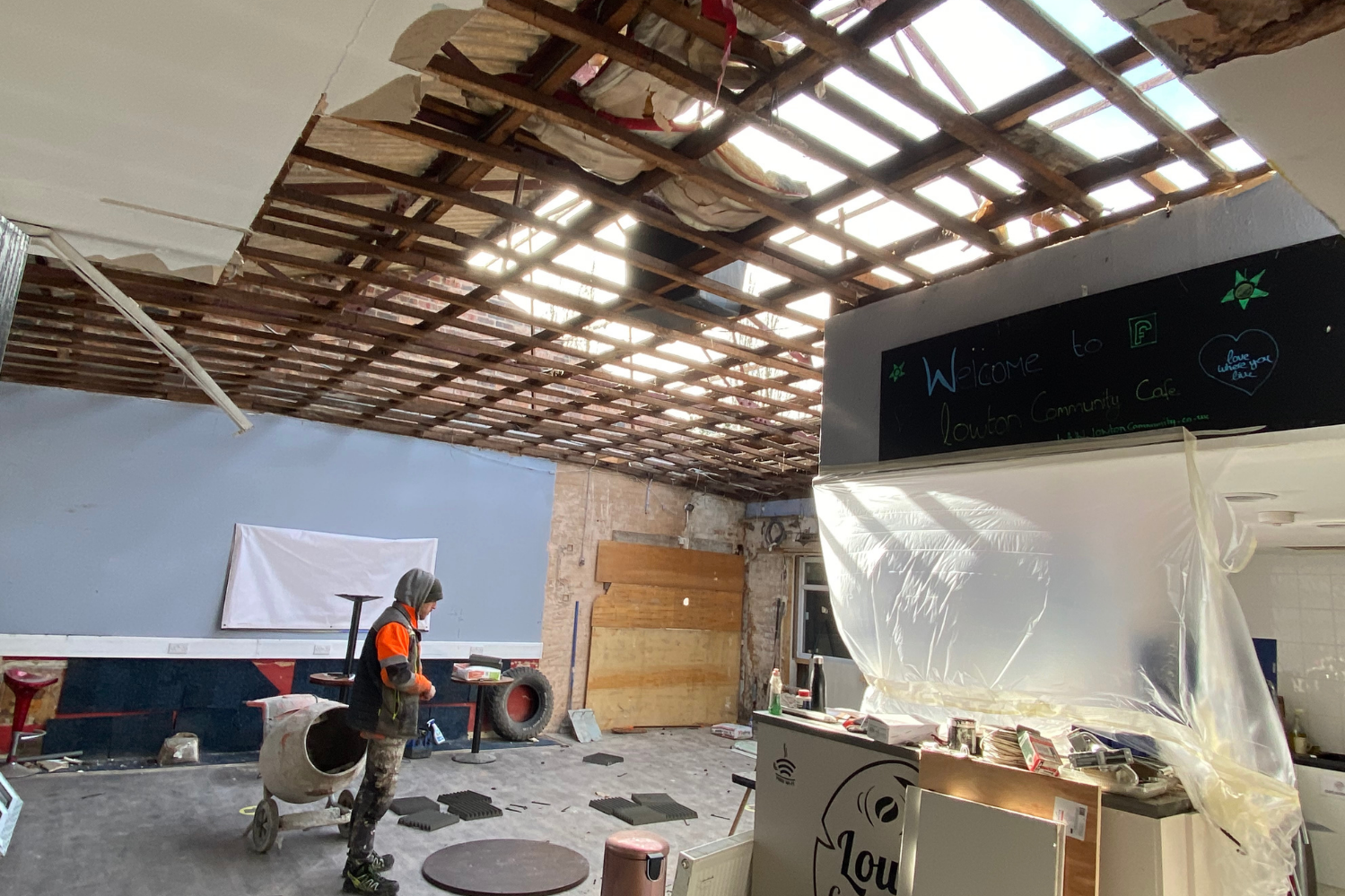
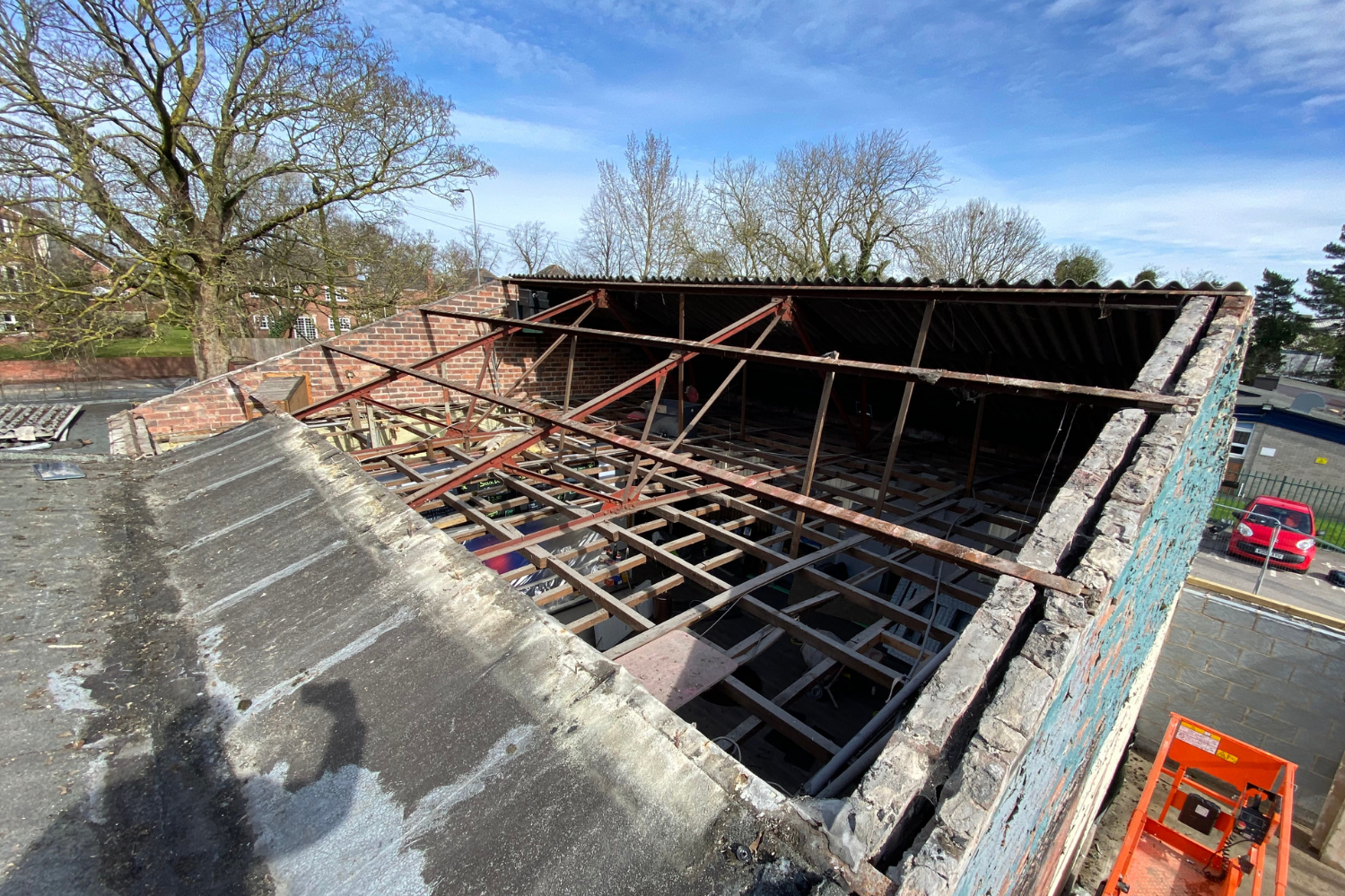
Attention then shifted to the aging, leaky asbestos roof—one of the longest-standing enemies of the building. Old sheets were removed with precision, replaced by new insulated panels. For the first time in decades, the structure had proper insulation and a fully sealed roof. Damp and water ingress, which had plagued the space for so long, were finally defeated. Energy efficiency soared, heating costs dropped, and the building felt warmer, drier, more sustainable—a major leap toward a future-proof hub.
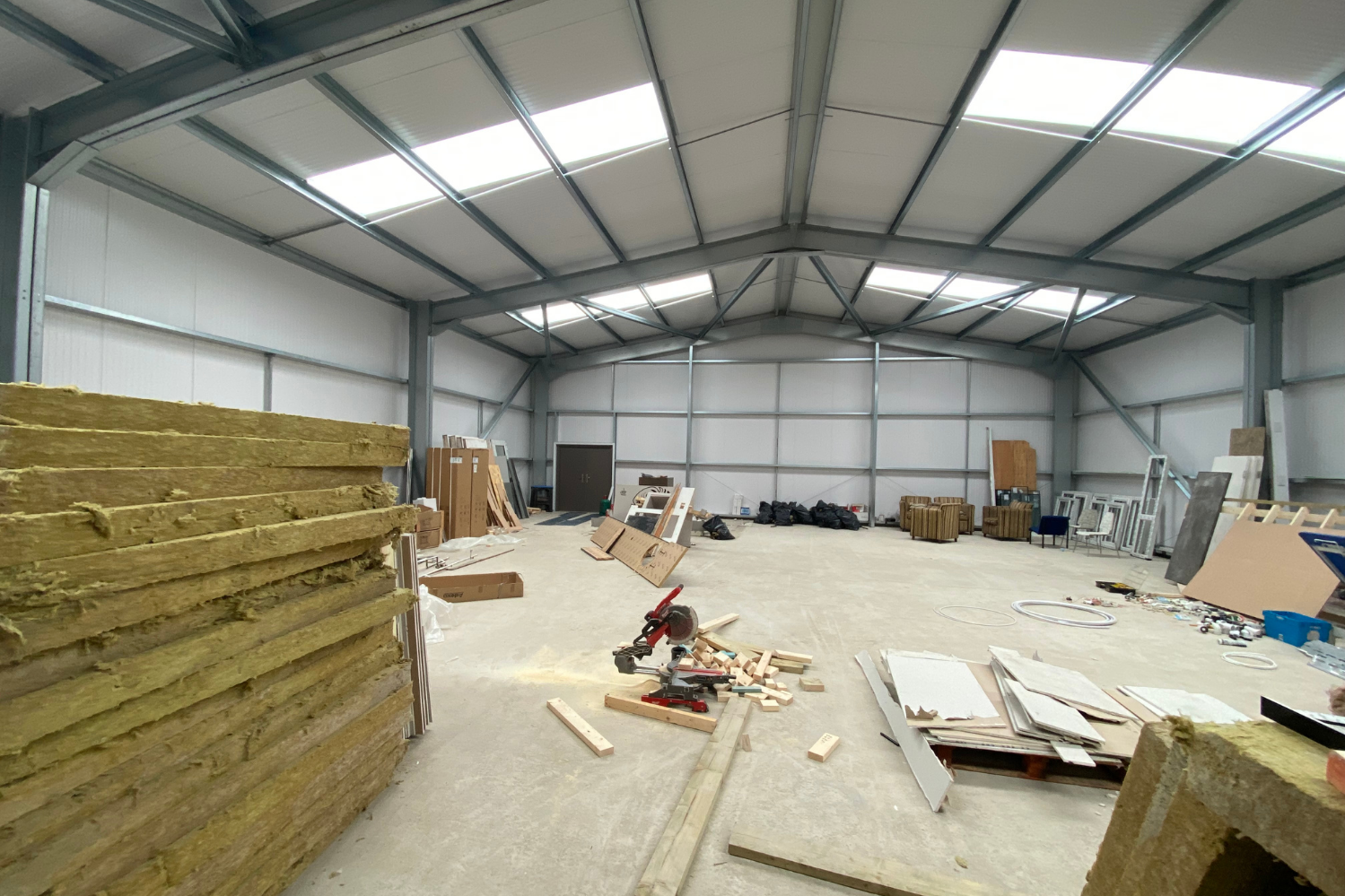
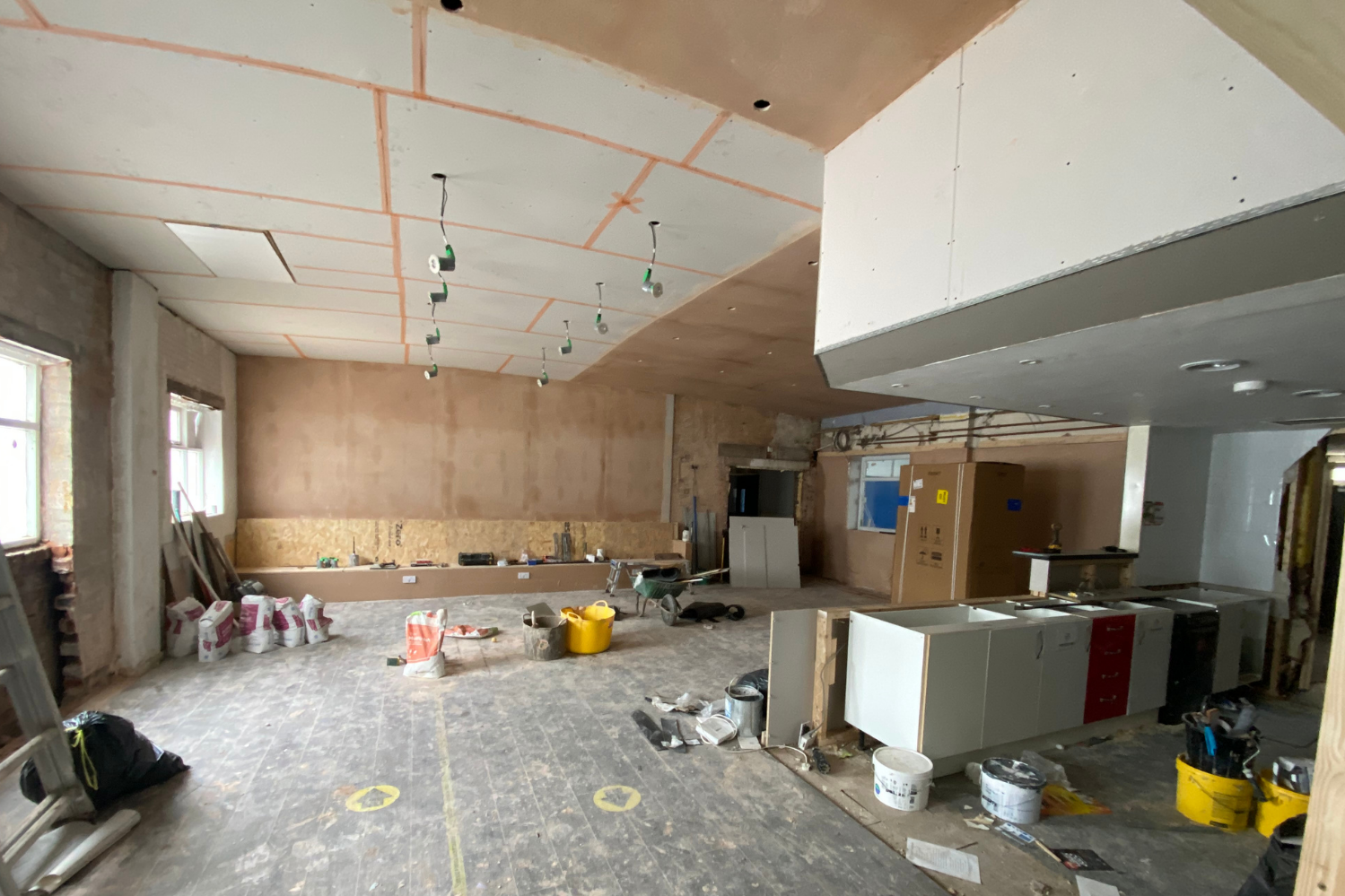
With the roof secured, interior work accelerated. Local businesses donated additional insulation, turning the once-draughty spaces snug and welcoming. Volunteers rolled up sleeves for the fit-out: over 190 litres of paint transformed walls and ceilings across more than 1,000 square metres. Design touches added personality, while professional craftsmanship from Paul Garner at T&G Fitting brought hand-crafted lockers, wall storage, and benches to life—functional, high-quality additions that elevated the space.
A major hurdle emerged with the mechanical and electrical (M&E) systems. The initial extravagant design from external contractors ballooned costs far beyond budget. Critical changes were made without full consultation, inflating “below the line” expenses by 30% and forcing a re-tender. The original contractor withdrew, but hope returned when LMK Power stepped in. Their practical, cost-effective approach—spotting issues in the tender documents, revising for future-proofing (dual sub-mains, readiness for car chargers and solar panels), and ensuring accessibility for future upgrades—got the project back on track. LMK’s dedication, including late nights and tireless effort, proved invaluable, modernising the building while making it safer, more efficient, and ready for decades of service.
Inside, boarding and plastering progressed, followed by the eco-friendly dojo floor: recycled tyres formed a resilient, multipurpose sprung base, with AVA Judo mats laid precisely. Signage went up, state-of-the-art coffee equipment arrived for the café, and LED lighting illuminated the new media and recording studio. Even the final utility challenge—securing a 3-phase meter from EDF after 18 months of persistence—resolved through escalation to the energy ombudsman, allowing a hired contractor to install it in just five days.
Exhaustion gave way to profound accomplishment. From the devastation of closure to this moment of near-completion, the Lowton Community Hub had risen—stronger, more sustainable, and truly community-owned.
As we close this chapter of Rising Together, the hub stands as proof of what perseverance, collaboration, and belief can achieve. We’ve built more than a building; we’ve forged a space of shared purpose, ready to bring people together once more.
Now, the doors are opening. The lights are on. Come in, join us, and help write the next chapter—whether through a class, a coffee, a conversation, or simply being part of the life that now fills these walls.
Lowton Community Hub isn’t finished—it’s just beginning. And it’s rising together, for everyone.