
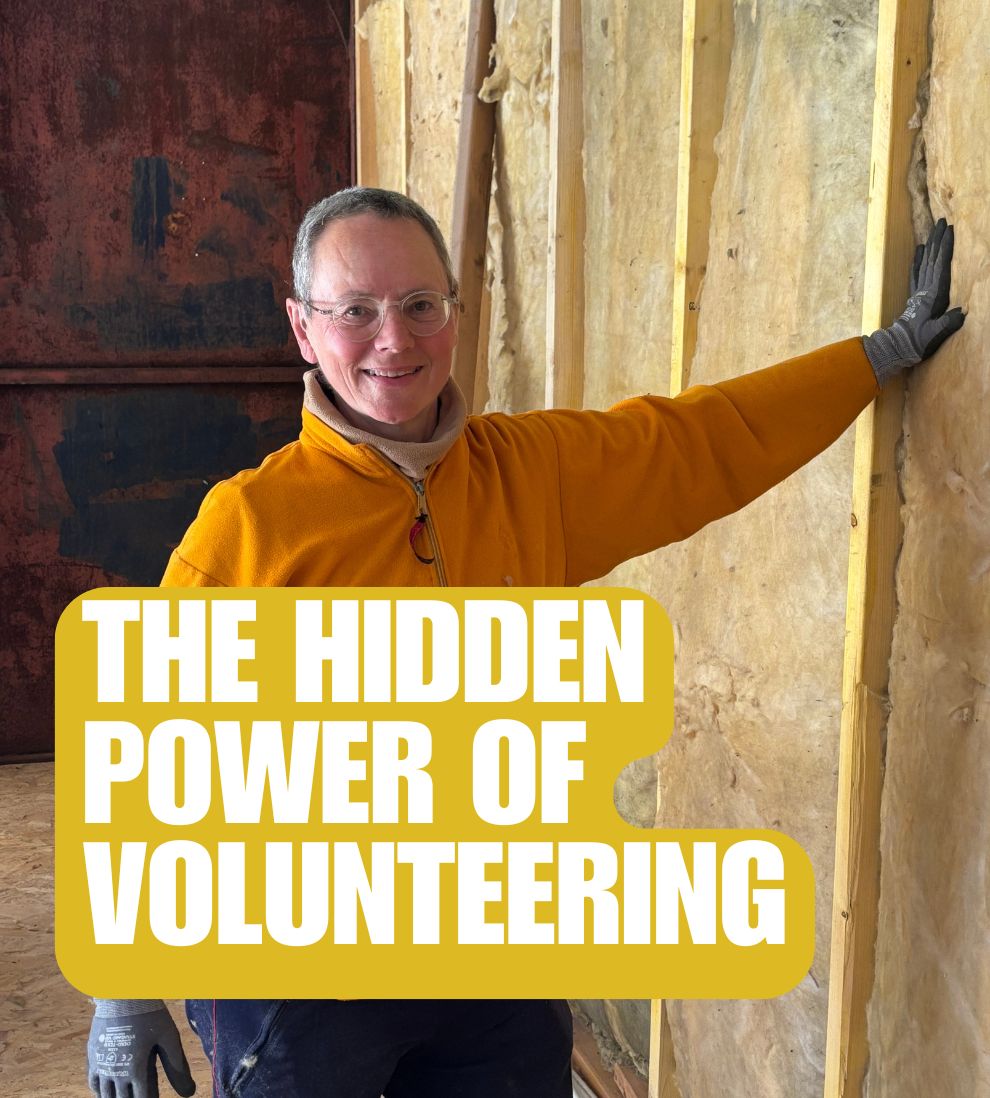
We often talk about volunteering as a one-way street—a noble act of giving time to those who need it. But anyone who has spent time in a community hub, a sports club, or a local project knows the truth: the line between “the helper” and “the helped” is often invisible, and the benefits flow both ways.
Volunteering isn’t just about filling a gap in a service; it’s about creating a ripple effect of mutual growth. When we show up, we don’t just offer our time—we gain a framework for our own lives.
When you step into a community hub—like the one we’ve built in Lowton—you quickly realise that the person serving the coffee, coaching the youth judo class, or helping to renovate a space is receiving just as much as they are providing. Volunteering is a “systems-building” tool: it creates a cycle where personal growth and community strength feed into one another.
The hidden engine of of personal growth
If you treat volunteering as a “side project,” you will see it as a drain on your time. If you treat it as a developmental environment, it becomes the most effective training ground available.
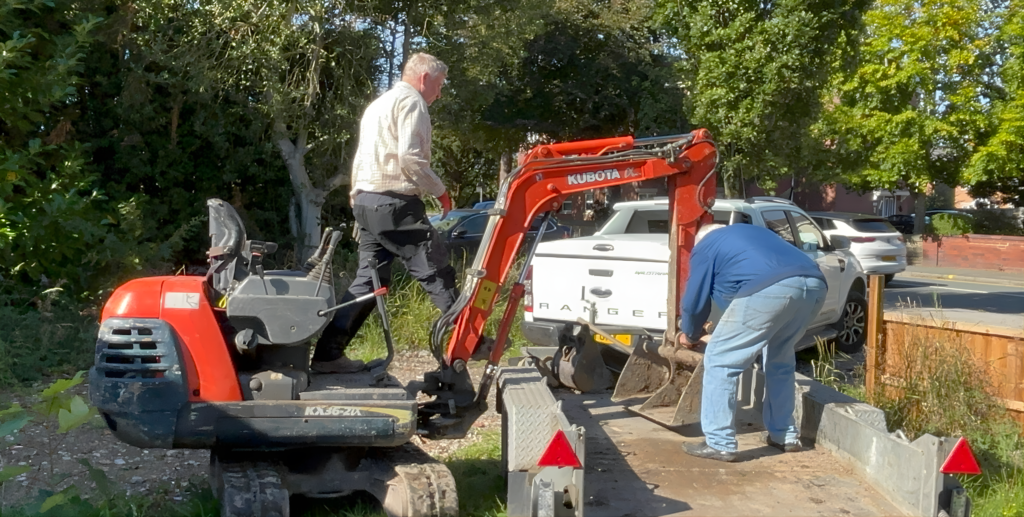
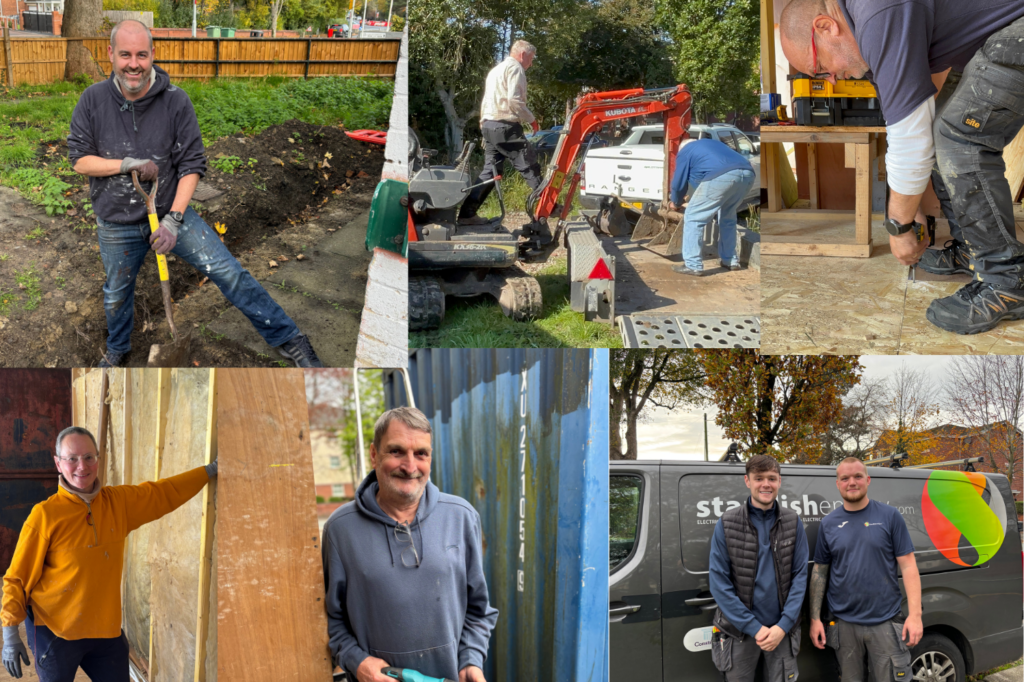
Volunteering forces you out of your comfort zone, which is exactly where skills are forged. Whether you are managing the logistics of a social enterprise like Dojo Pizza project or helping to clear 80 tonnes of rubble from a project site, you are learning real-world problem-solving.
Practical Leadership: You learn to lead not by authority, but by influence—motivating volunteers and engaging with diverse groups, from new parents to elite athletes.
Adaptability: Handling the unpredictable nature of community projects builds a level of resilience that a classroom or office setting rarely replicates.
We often separate “life skills” from “job skills,” but volunteering erases that boundary. Whether you are managing the logistics for a local fundraiser or mentoring a younger student, you are practicing leadership. You are learning to read a room, navigate disagreements, and coordinate shared goals.
These aren’t just resume-builders; they are the fundamental skills of being a contributing citizen. You learn that leadership isn’t about standing at the front—it’s about noticing what needs doing and having the agency to move it forward.
the support and Confidence to Try and Fail
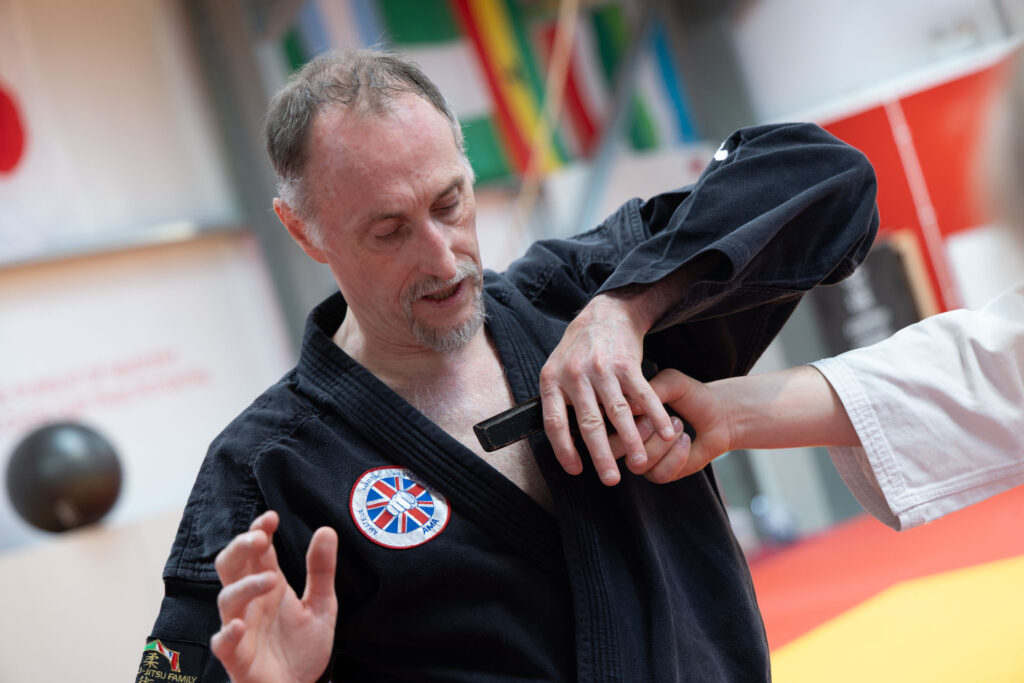
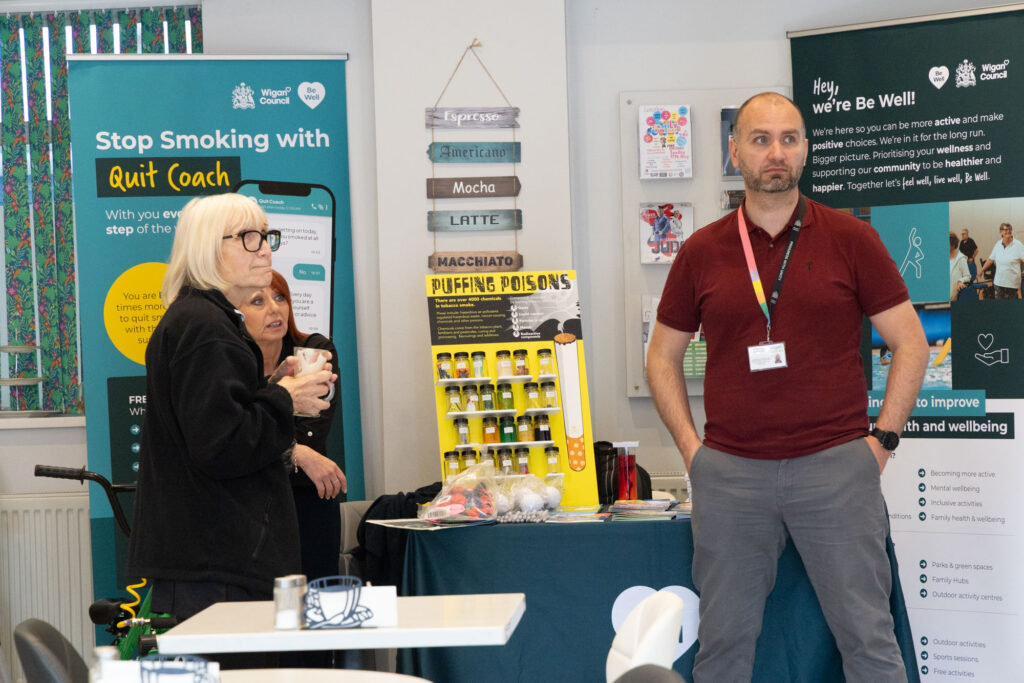
Confidence is rarely found in isolation. It grows in the messy, real-world environment of shared effort. Consider a young person stepping onto a dojo mat or a new volunteer helping run a community café event. In those moments, they aren’t just following a task list; they are navigating human relationships.
When you volunteer, you are placed in situations where outcomes matter but the stakes aren’t crushing. You learn to handle the small successes and the inevitable stumbles. That repetition—showing up, contributing, seeing the result—builds a quiet, sturdy form of self-belief that doesn’t rely on validation from an algorithm, but on the feedback of real people.
The Antidote to “Digital Loneliness”
We live in an age of proximity without connection. You can walk through a crowded city and feel entirely invisible. Volunteering acts as a natural “social anchor.” It forces us out of the private loop of our own homes and screens and into the “third spaces”—those vital areas between home and work where community actually forms.
These spaces facilitate what can be called “accidental relationships.” They are the friendships that form not because you planned them, but because you both showed up to the same place, for the same cause, week after week. These connections are the bedrock of our mental wellbeing. They provide us with a sense of place—the feeling that if we didn’t show up, we would be missed.
Purpose: A Human Necessity
Human beings are wired to be useful. When we feel untethered, it is often because we have forgotten how our presence impacts the people around us.
Volunteering acts as the glue between generations and demographics. At the Lowton Community Hub, we see it daily: a patient recovering from injury interacts with a volunteer; a youth athlete sees an older mentor training consistently. These are not “services”; they are relational connections. By participating, you aren’t just filling a gap; you are helping to create a “connected lifecycle system” that supports residents from early childhood to elderly care.
When you contribute to a community project, you are participating in a systems-building approach.
Shared Discipline: You model positive behavior for others, especially young people who benefit from seeing adults outside their immediate family circle.
Local Identity: You stop being a spectator of your town’s decline or growth and become an active architect of its future.
Volunteering provides a clear answer to the question, “What is my role here?” Whether you are the person who keeps the facility running, the one who checks in on a struggling neighbour, or the one who helps facilitate a community class, you are an essential piece of a functioning system. That sense of purpose is the most powerful health intervention there is. It turns life from a series of transactional tasks into a collaborative, shared experience.
If we want to fix the isolation currently found in so many communities, we don’t need to look for grand, top-down solutions. We need more places—like the Lowton Community Hub—where activity is already happening and where volunteering is woven into the day-to-day.
When a community hub functions as an integrated system, volunteering becomes natural rather than formal. It’s not about grand gestures; it’s about the coach who notices a child’s effort, the parent who stays to help tidy up after a session, or the volunteer who keeps the café running so that others can talk.
When we give back, we are really just maintaining the fabric of the places we rely on. We are building the very environment that supports our own wellbeing, our own growth, and our own connection to the people around us.