
You finish work. You pick up your phone. You go home.
That pattern repeats across towns and cities. It looks normal on the surface, but something important sits missing in the middle.
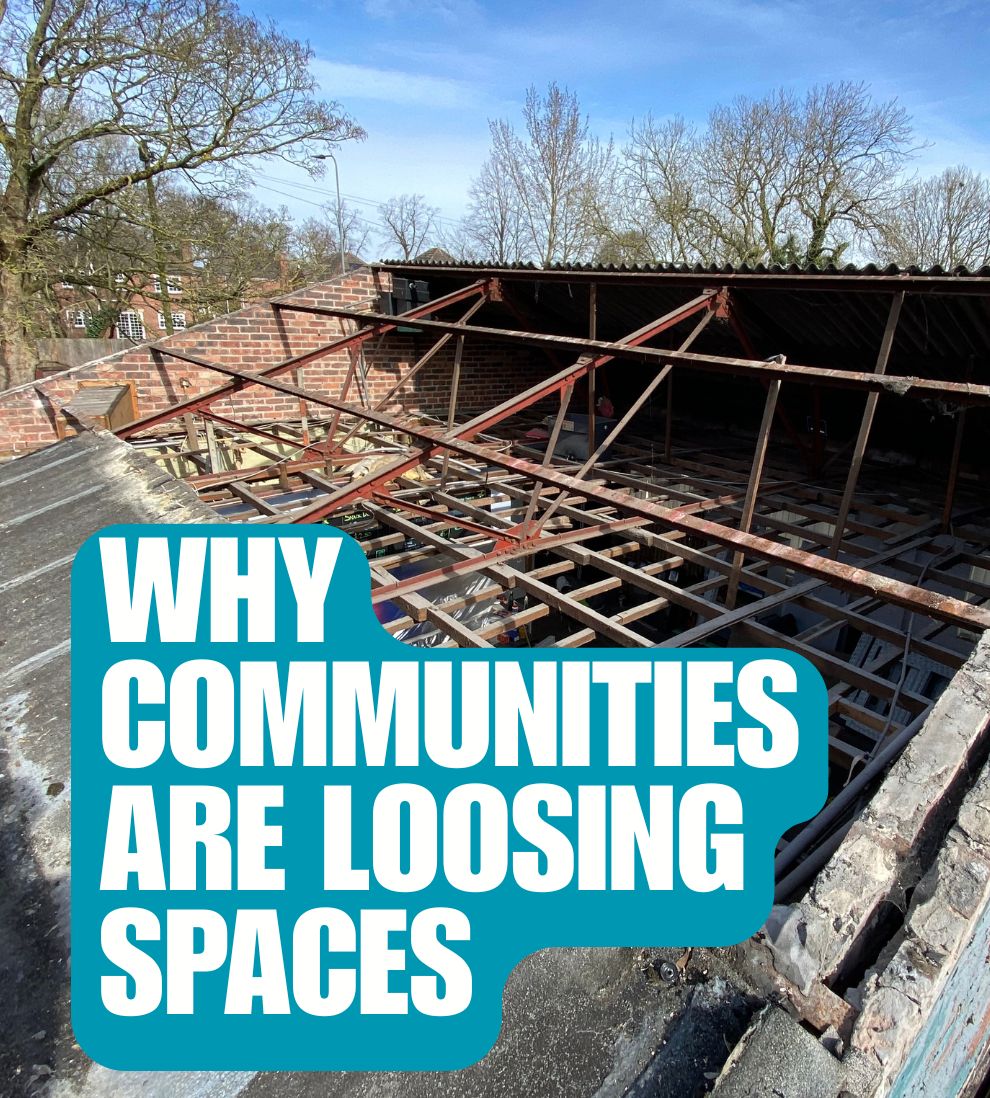
There used to be places between home and work where people naturally met. Not for transactions. Not for appointments. Just to exist around each other. Cafés where staff knew your name. Sports halls full of noise after school. Libraries where people drifted in without a plan. Community centres that held everything from kids clubs to evening classes.
These are what people often call third spaces.
They are disappearing.
And when they go, something quieter breaks in communities that is harder to notice at first but harder to repair later.
What happens when third spaces disappear
Think about a teenager finishing school at 3pm.
In a place with strong community spaces, they might go to a sports club, a youth group, or a local hall where activity is already happening. They bump into different ages. They are seen by adults outside their family. They learn how to behave in shared spaces without it feeling like a classroom or home.
Now remove those spaces.
They go home. They stay online. Hours pass in a private loop of screens, messages, and algorithms designed to keep attention but not build connection.
You do not need extreme scenarios to see the impact. Small changes are enough.
Less casual interaction with adults outside school
Fewer safe, structured environments in the evening
Less exposure to positive group discipline and shared effort
More time alone, even when “connected” digitally
Over time, that shapes how young people see themselves and others. Not through one event, but through absence.
Loneliness does not always look like loneliness
Adults feel it too.
A parent finishes work, collects children, gets home, and repeats the same route most days. Weeks can pass without meaningful interaction outside immediate family or colleagues.
You might live in a busy area and still feel socially disconnected. That sounds contradictory until you realise proximity is not the same as connection.
Third spaces used to create what could be called accidental relationships:
The same faces at the gym
The coach who checks in without being asked
The café owner who notices when you have not been in for a while
The parent you only speak to during pick up, but regularly enough that trust builds
Without those repeated, low-pressure encounters, connection becomes something you have to schedule. And most people do not schedule it.
Youth development depends on being seen
A young person does not develop only in structured education or at home. They develop in the spaces in between.
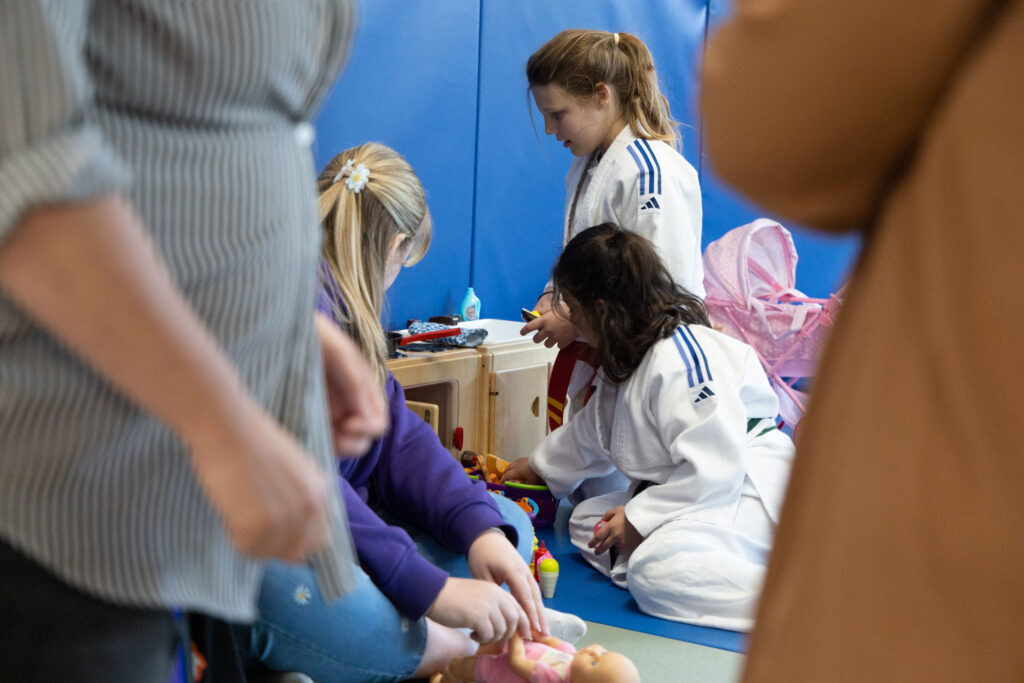
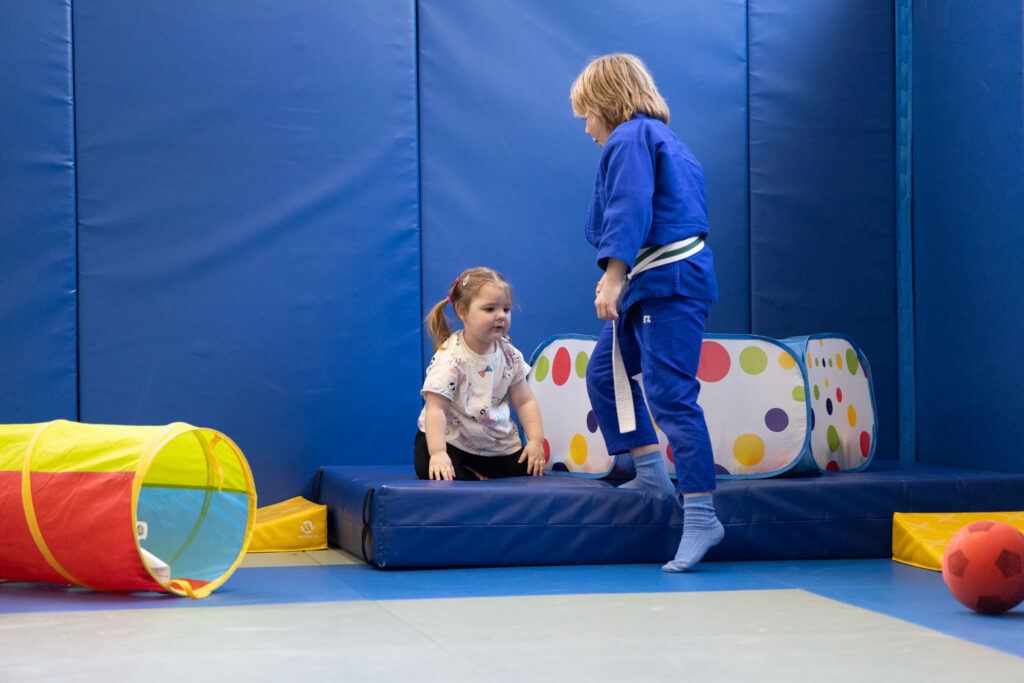
A judo mat is one example.
A coach notices effort, not just outcomes. A young person learns how to lose without disappearing. They learn discipline through repetition, not instruction alone. They learn to be part of something where they are accountable to others.
Now expand that idea beyond sport.
What happens when those environments shrink?
Fewer mentors outside school
Less consistent feedback from trusted adults
Less opportunity to try, fail, and try again in a safe setting
More reliance on peers with no wider context
It is not that young people lack potential. It is that fewer places exist where that potential gets shaped in real time with other humans present.
Health is affected in quieter ways than people expect
When people think about health, they often think about exercise, diet, or medical care.
Third spaces influence something more basic: routine movement and belonging.
A person who attends a weekly class, a club, or a community session moves more without thinking about it. They also tend to stay engaged longer because the reason they attend is not purely fitness. It is people.
Remove the social pull and behaviour shifts.
“I will go next week” becomes a pattern
Movement becomes optional rather than embedded
Recovery from injury or illness becomes more isolating
Motivation relies more on willpower than environment
You see this clearly in rehabilitation settings. People do better when they feel part of something, not just when they receive instructions.
The slow loss of local identity
Communities used to have anchors.
Not grand ones. Small ones.
A place where children had their first structured activity
A hall where events brought different age groups together
A club where volunteers knew who needed a bit more support
A space where people contributed without needing a formal role
When these disappear, identity becomes thinner.
People still live in the same streets, but they experience them differently. You can live somewhere for years and feel like you are passing through it rather than part of it.
That raises a simple but uncomfortable question.
If the spaces that connect people disappear, what holds a community together besides geography?
A practical response, not a theory
This is where places like Lowton Community Hub matter.
Not as an idea, but as a working environment built around activity.
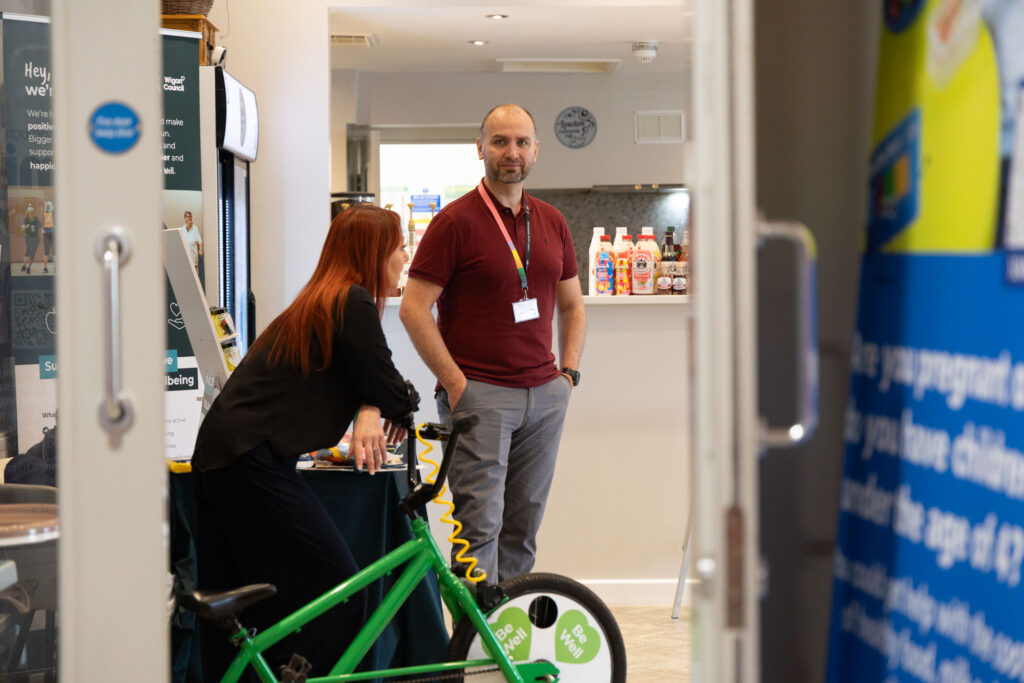
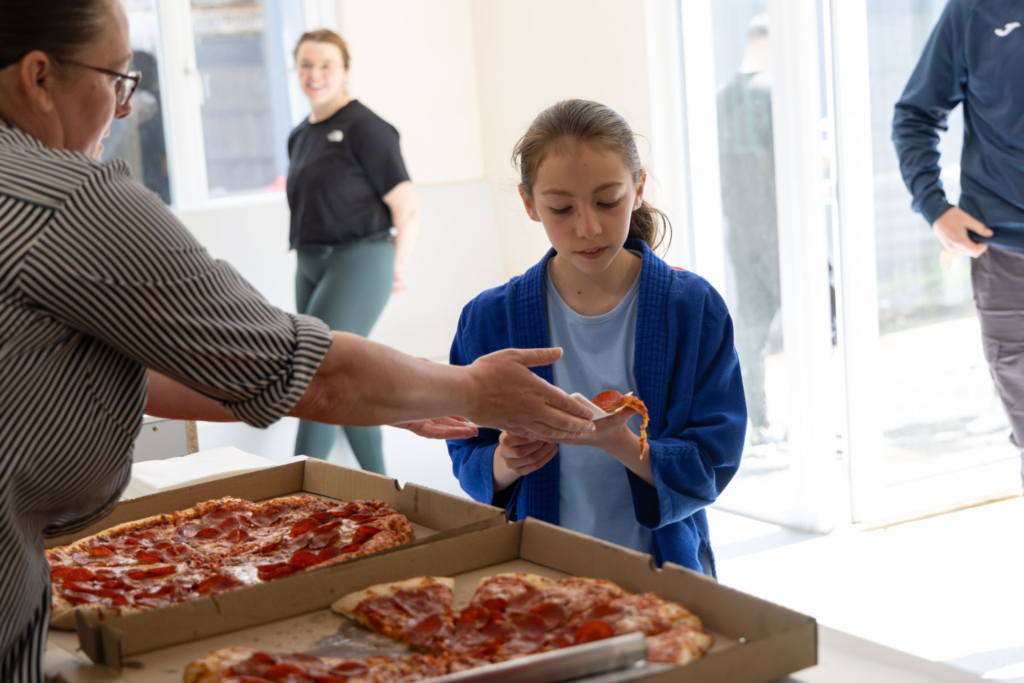
A physio clinic, a dojo, group classes, a café, and shared spaces do more than provide services. They create repeated human contact across different groups of people.
A parent waiting for a child’s session meets another parent
A young athlete sees older athletes training consistently
A patient recovering from injury becomes part of a familiar routine
A coach becomes a consistent figure in someone’s week
Nothing here is accidental. It is structured opportunity for connection.
Lowton Community Hub functions as a modern version of a third space, but with a practical difference. It does not rely on nostalgia. It builds connection through services people already need: health, movement, recovery, and social activity.

What changes when a hub exists in a community
You start to see patterns shift.
People stay longer after sessions
Conversations start without planning.
Young people recognise adults outside their immediate world
Health support becomes more relational, not transactional
Volunteering and involvement feel natural rather than formal
A space like this does not solve loneliness in isolation. But it changes the conditions that produce it.
The question worth asking
If your local spaces closed tomorrow, where would you go to meet people without needing a reason?
Not a gym you attend alone. Not a shop you pass through. A place where interaction is part of the design, not an accident.
And if the answer feels unclear, the next question matters more.
What happens to a community when that answer disappears completely?
The decline of third spaces is not just about buildings closing. It is about fewer shared moments between people who would otherwise never meet.
Rebuilding them does not require grand plans. It requires consistent places where people show up, stay, and interact long enough for familiarity to form.
That is what Lowton Community Hub is built to do.
Not replace home. Not replace work.
Just restore what sits between them.